






Experts in energy conservation argue that more efficient materials will lead to lowered costs of heating and cooling a house, so the homeowner will recover that money, usually within several years. Let's take a look at some of the latest energy-efficient building materials on the market right now.
Econoblock
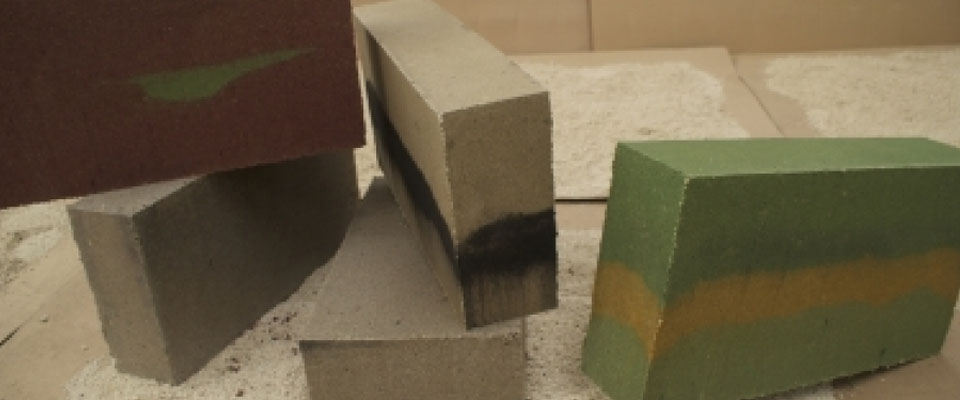
A construction breeze-block made out of waste paper and cardboard diverted from landfills. It’s a lightweight load-bearing structural block with a high thermal insulation all rolled-into-one product. Performing to the same standards as a standard concrete block, theproducts thermal and acoustic performance is actually a significant improvement compared with products currently in the global market.
The technology to make this possible is Fiber Cellulose mortar, a technology developed in the USA during the 1920's. The mixture never reached commercialisation stage due to the high cost of cellulose, although the idea was revived in the 1980s with the increment of waste paper, with several alternative groups beginning to experiment with different compositions of mixture and buildings in experimental one-off projects.
Insulating concrete forms
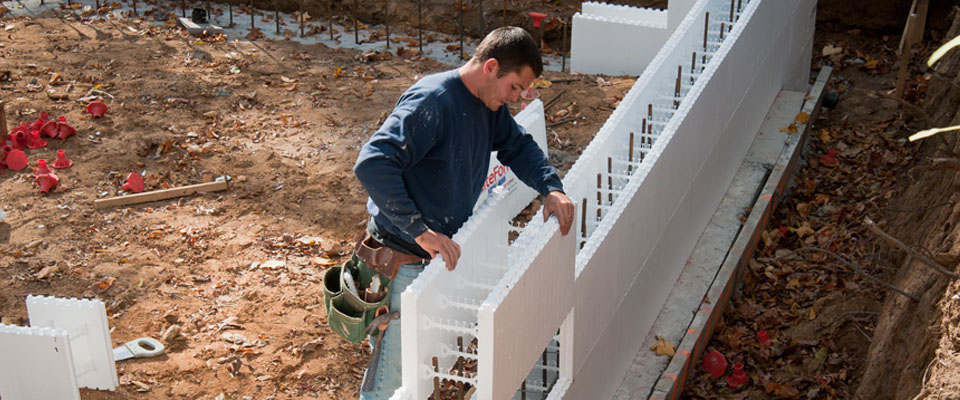
This is a 60-year-old technology that's enjoying new life with the discovery of its energy-saving properties.
The Portland Cement Association, one of the top makers of concrete forms, defines them as "cast-in-place concrete walls that are sandwiched between two layers of insulation material." Concrete is poured into forms that serve as insulation layers and remain in place as a permanent part of the structure. The technology is used in freestanding walls and building blocks.
An industry-funded study by the Massachusetts Institute of Technology issued a report in late 2010 that said buildings made from insulated concrete forms saved 20 percent over the energy consumed by wood-frame buildings in cold climates such as Chicago [source:Ochsendorf].
Plant based polyurethane rigid foam
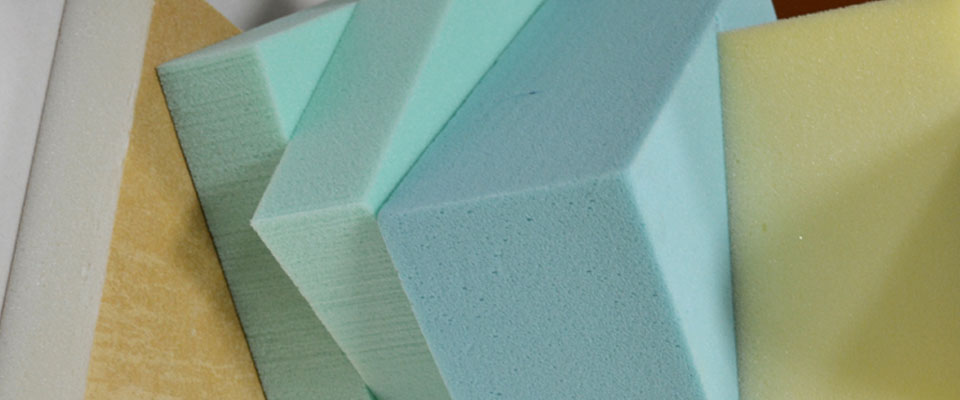
After the No. 1 maker of surfboard material went out of business and was fined by the Environmental Protection Agency for using a toxic chemical, a surfboard maker in San Diego started producing a foam material that comes from plants.
Ned McMahon, chief operating officer of Malama Composites, is manufacturing the foam from materials such as bamboo, hemp and kelp.
The so-called rigid foam is used in insulation, wind turbine blades, furniture and, of course, surfboards.
When used as insulation, the foam offers high moisture and heat resistance, excellent acoustics and protection against mold and pests. It also has a higher R-value than fiberglass or polystyrene, meaning that it has a higher thermal resistance and insulates better [source: Malama Composites].
Low-E windows
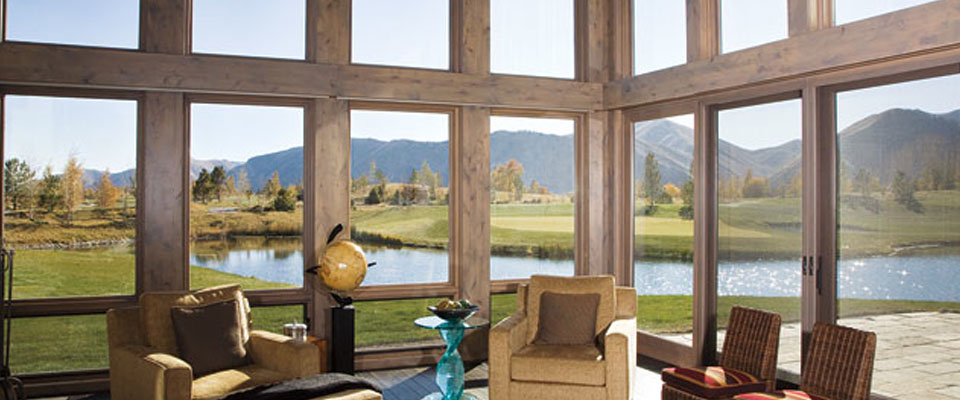
The "E" in low-E stands for emissivity, and a clear coating of metallic oxide on these windows keeps the heat inside the house in the winter and outside in the summer.
Typically, this coating is used on external storm windows in houses that don't have double-pane windows. The technology comes in soft coatings and hard coatings. The soft coatings go between layers of glass, while the hard coatings go on the outside.
Low-E windows typically cost between $60 and $110 each. That's 10 to 15 percent more than clear glass storm windows, but they definitely have benefits: They can reduce heat flow through the glass by half, and that will help reduce heating costs by 10 to 20 percent [source: NAHB Research Center].
Earth

If you want to build with walls of rammed earth or adobe, the great advantage is that the material is abundant, free and doesn't have to be transported to the job site. The downside is that you'll have a hard time finding specialized craftsmen who know how to build with dirt.
Countries including China, Peru and New Zealand actually account for this type of building in their codes, but the United States has not established codes for building from the earth. The difficulty of finding craftsmen who can do the job led the National Association of Home Builders to estimate that costs for labor could run at least $80 per square foot.
Even so, researchers at the association note that earthen walls provide excellent thermal mass, and the material comes from the ultimate in renewable sources.
Like this content? Then follow us on Twitter or register for a FREE ticket for the Eco Technology Show on the 26th – 27th June, The Brighton Centre by clicking here.